лªÉçÕÕƬ£¬·¨Ð£¬2008Äê4ÔÂ15ÈÕ
¡¡¡¡°ÍÎ÷·¢ÏÖ¾ÞÐÍÓÍÌï
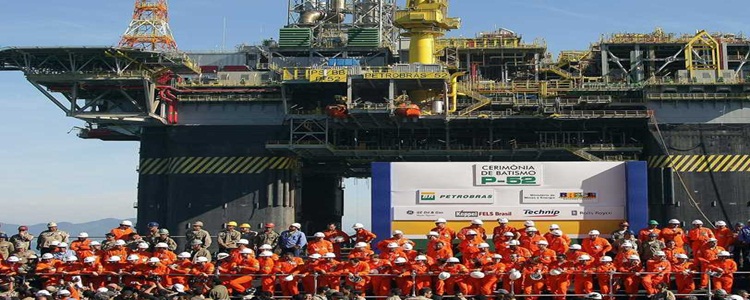
4ÔÂ14ÈÕ£¬°ÍÎ÷¹ú¼ÒʯÓ͹ÜÀí¾Ö¸ºÔðÈËÐû²¼£¬°ÍÎ÷½üº£·¢ÏÖÒ»ÐÂÓÍÌ´¢Á¿¿ÉÄܸߴï330ÒÚÍ°¡£¾ÝϤ£¬ÕâÒ»ÓÍÌïλÓÚÈ¥Äê11Ô·¢ÏÖµÄÌØ´óÓÍÌï¨D¨DͼƤÓÍÌ︽½ü£¬ÓпÉÄÜÊÇÊÀ½çÉϵÚÈý´óÓÍÌͼΪ¹¤ÈËÔÚÀïÔ¼ÈÈÄÚ¬ÒÔÄÏÔ¼300¹«ÀïµÄ°²¸ñÀ£¶Å˹À×˹²Î¼ÓP-52ʯÓÍ×꾮ƽ̨Æô¶¯ÒÇʽµÄ×ÊÁÏÕÕƬ£¨ÉãÓÚ2007Äê6ÔÂ14ÈÕ£©¡£
лªÉç/·¨ÐÂ
[Caption]=(FILE) Petrobras workers pose in front of the P-52 oil platform during its launching ceremony 14 June 2007 in Angra dos Reis, 300km south from Rio de Janeiro, Brazil. Brazil has discovered a new offshore oil field that could prove to be “the third biggest field in the world,” the head of the country’s National Oil Agency, Haroldo Lima, said on April 14, 2008. The find, located off the southwest coast near another field called Tupi whose immense reserves were announced in November, is calculated to hold 33 billion barrels of oil, he said. AFP PHOTO ANTONIO SCORZA
[CaptionWriter]=va/ds
[Imagetype]=3S